
- From the Chair: Meetings, Momentum and Moving Forward
- USHBC Joins IFPA’s School Foodservice Partner X-Change
- Celebrating Blueberries During National Nutrition Month
- ‘Tastiest Snack Alive’ Campaign Exceeds Benchmarks
- USHBC-Funded Study Finds 3 Servings of Flavonoid-Rich Foods Are Associated With Happiness, Optimism in U.S. Women
From the Chair: Meetings, Momentum and Moving Forward

By Bryan Sakuma
USHBC Chair
One thing our Industry Meetings in Washington, D.C., earlier this month made clear is that the USHBC’s unique purpose and mission are more critical today than they have ever been before. Established 25 years ago to grow the entire category, no other organization can do for the blueberry industry what USHBC can do.
A key highlight of our time together in our nation’s capital was a deep dive into the 2026-2028 USHBC Strategic Plan, led by Ken Gilliam of The Directions Group. This plan serves as our road map for the next three years, and guides us in growing the category by giving more U.S. consumers more reasons to buy more blueberries, expanding demand for U.S. blueberries in global markets and equipping the industry for success.
I’m incredibly proud of the work that went into this plan. It’s also rewarding to see the North American Blueberry Council (NABC) engaging The Directions Group for its own strategic planning. This ensures total alignment across our organizations, allowing us to move forward with a unified, powerful voice.
A personal highlight for me in D.C. was participating in a discussion with NABC Chair Teddy Koukoulis, USHBC/NABC President Kasey Cronquist and Ken Gilliam to discuss how this inspiring plan and a supporting messaging framework, developed with the support of industry leaders and communications consultants Armato Barber, serves to guide our daily operations.
The marketplace is filled with promise. By grounding our plans in accountability and measurable evaluation, the USHBC can work to ensure the long-term success of our industry.
Finally, I want to provide a brief update on my continued role as chair. I will continue to serve as USHBC Chair with the 2025 council members as we await official 2026 board appointments from U.S. Secretary of Agriculture Brooke Rollins. Once the appointments are finalized, Ellie Norris of Norris Farms in Oregon, will begin her term as USHBC Chair with the 2026 council members.
If we didn’t see you in Washington, D.C., be sure to join us in Monterey Sept. 22-24 for The Blueberry Convention – the largest gathering of our industry in 2026.
USHBC Joins IFPA’s School Foodservice Partner X-Change
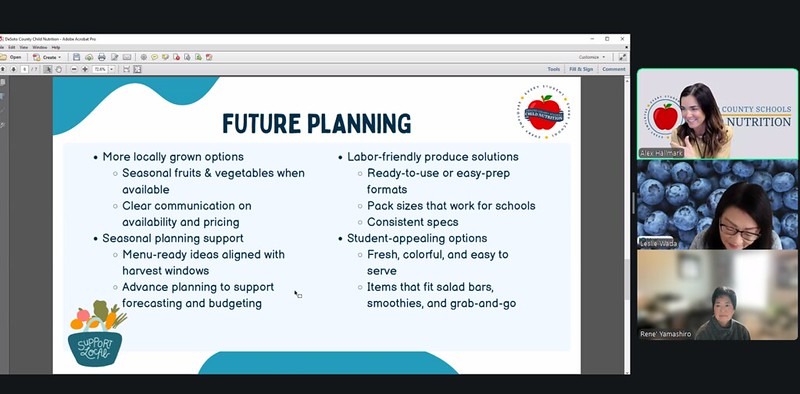
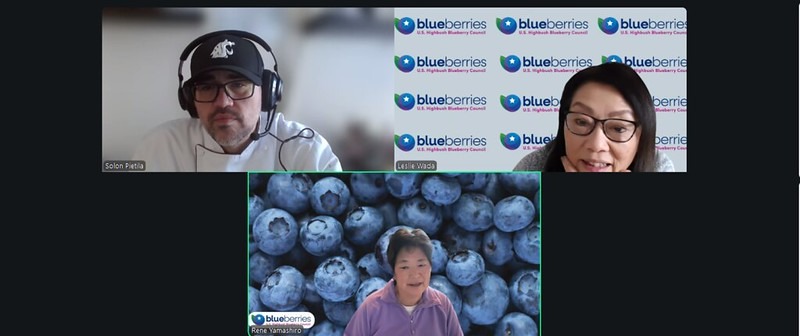
USHBC staff recently took part in the International Fresh Produce Association’s (IFPA) annual School Foodservice Partner X-Change. This high-impact, virtual “speed meeting” program is designed to bridge the gap between school menu planners and the grower-shippers and solution providers that power the supply chain.
Over two days of targeted, one-on-one sessions, USHBC engaged directly with K-12 nutrition leaders and foodservice directors from major colleges and universities. These meetings facilitated a rare level of cross-sector dialogue, allowing both sides to align business needs with operational capabilities.
The exchange addressed two critical priorities for the blueberry industry: increasing consumption and expanding market access.
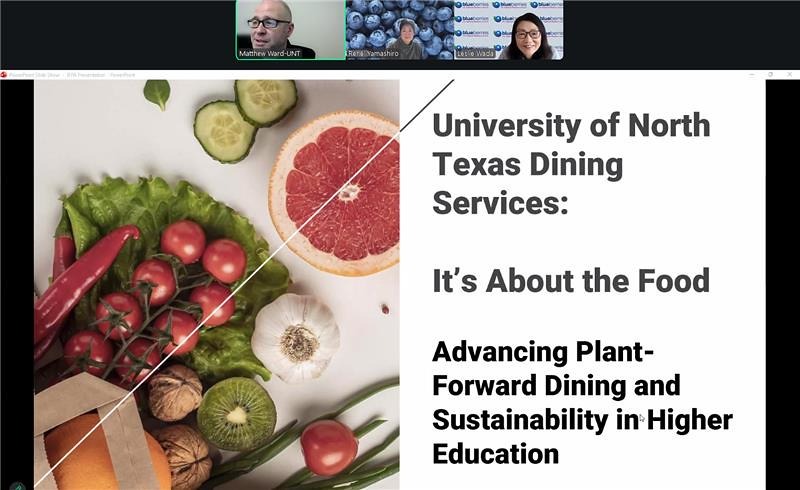
K-12 and university foodservice operations represent a massive market, serving hundreds of thousands of meals daily. Direct engagement with this segment opens significant new pathways for growers and suppliers.
Beyond volume, these conversations provided firsthand insights into the practical realities of school foodservice, including:
- Identifying where blueberries fit into diverse meal patterns.
- Aligning with federal guidelines to ensure blueberries remain a preferred “real food” option.
- Exploring collaborative opportunities to drive excitement in the cafeteria.
By fostering these direct connections, the USHBC continues to move beyond a commodity mindset, positioning blueberries as a strategic solution for some of the largest foodservice providers in the country.
Celebrating Blueberries During National Nutrition Month
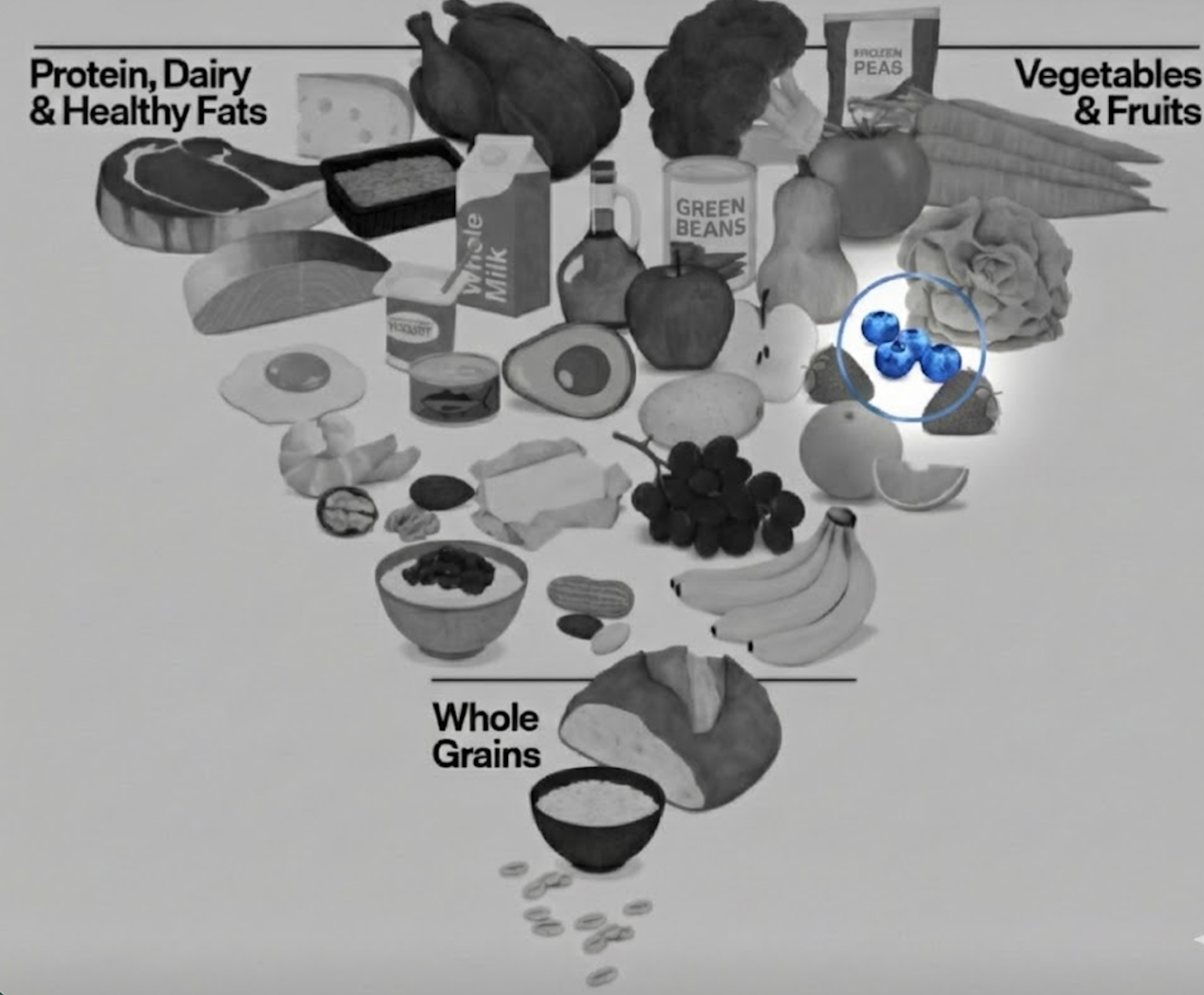
March’s National Nutrition Month offers the perfect opportunity to spotlight the elevated role of blueberries in the latest Dietary Guidelines for Americans (DGA). Informed by more than a decade of peer-reviewed research, the updated DGA pivots toward a “back-to-basics” philosophy: Eat Real Food.

As a cornerstone of a whole, nutrient-dense diet, blueberries are recognized for their versatility and essential health-promoting properties. Here is how they align with the new federal standards:
- The guidelines prioritize fruits in their original, whole state – whether fresh, frozen or dried. By positioning blueberries as the standard for a healthy diet, the DGA encourages a meaningful shift away from highly processed alternatives in favor of natural, fiber-rich options.
- With a recommendation of two servings of fruit daily for a 2,000-calorie pattern, blueberries offer an exceptional nutrient-to-calorie ratio. They provide a practical, efficient way for consumers to meet daily nutritional goals without exceeding caloric limits.
- The DGA emphasizes the importance of a “variety of colorful” fruits. The deep blue and purple pigments—anthocyanins—found in blueberries are specifically cited in the supporting scientific evidence as critical markers of health. These natural compounds are at the heart of the research-backed benefits that define the modern American diet.
‘Tastiest Snack Alive’ Campaign Exceeds Benchmarks
Last fall, blueberries were featured as the Tastiest Snack Alive by People magazine in a comprehensive print and digital campaign, which playfully leveraged People’s “Sexiest Man Alive” branding to position blueberries as a desirable snack. As part of our effort to push beyond traditional campaigns, the Tastiest Snack Alive aimed to insert blueberries into the larger cultural conversation.
Reported results demonstrate the campaign’s effectiveness:
- The campaign successfully generated 18M total impressions,12M in total reach, 45K total engagements and 51K clicks. Video social content across Instagram and TikTok proved effective, with a collective engagement rate of 0.43% – more than double the benchmark.
- The campaign achieved 91% aided brand recall, exceeding category benchmarks, and 86% of respondents felt blueberries were a “good fit” for the content. What’s more, exposed respondents were more likely to agree that blueberries are “worth the price.”
- The campaign resonated with diverse demographic segments, including “healthy cooking enthusiasts” and women 18-25.
If you haven’t already checked out the native digital feature, be sure to scroll through it here: people.com/featured/original/blueberries-the-tastiest-snack-alive-us-blueberry-council
USHBC-Funded Study Finds 3 Servings of Flavonoid-Rich Foods Are Associated With Happiness, Optimism in U.S. Women
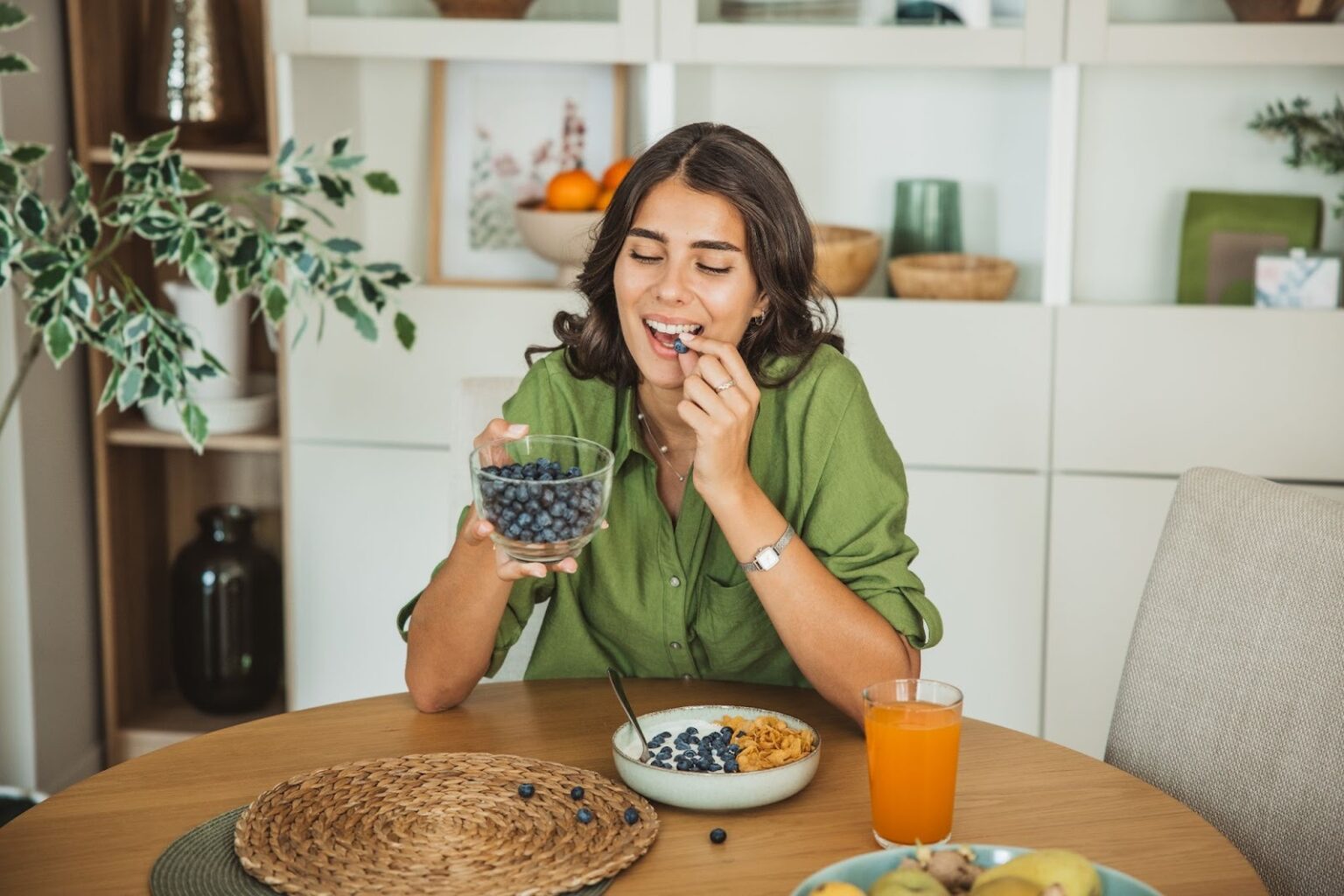
A new study, funded by the UHSBC and published in the journal Clinical Nutrition, suggests that women who consumed a diet containing flavonoid-rich foods such as blueberries, strawberries, apples and citrus fruits scored higher in feelings of happiness and optimism over time.
Aedin Cassidy, Ph.D., of Queen’s University Belfast, and Eric Rimm, Sc.D., of the Harvard T.H. Chan School of Public Health, analyzed 18 years of follow-up data from the U.S. Nurses’ Health Study, which included over 36,000 women aged 60 years and older.
The investigation focused on the relationship between dietary flavonoid intake and two components of psychological well-being: happiness and optimism.
Flavonoids are naturally occurring compounds present in a variety of plant foods. However, the researchers found that women who consumed approximately three servings per day of flavonoid-rich foods such as blueberries, strawberries, apples and citrus fruits demonstrated a 3% to 16% greater likelihood of sustained happiness and optimism.
The results suggest a bidirectional relationship, where women who maintained higher levels of happiness and optimism were more likely to sustain a healthier, flavonoid-rich diet over time.
The U.S. Nurses’ Health Study primarily consists of non-Hispanic, white, highly educated female health professionals. Future research should aim to replicate these findings in more diverse populations.
“What we found most compelling is the potential for a ‘virtuous cycle’ between diet and mental outlook,” said lead researcher Aedin Cassidy, Ph.D. “Not only do flavonoid-rich foods like berries and apples appear to bolster long-term happiness and optimism, but women who feel better are also more likely to maintain those healthy habits. It suggests that simple, everyday dietary choices can be a powerful tool for supporting psychological resilience as we age.”