-
About USHBC
Back
-
Mission, Vision & Strategic Plan
Learn about what drives us and our vision for the future and meet the people guiding us there.
-
Our Impact
See how promotion efforts have impacted blueberry demand and growers’ revenue.
-
Financials
Review our financial health with a multitude of resources.
-
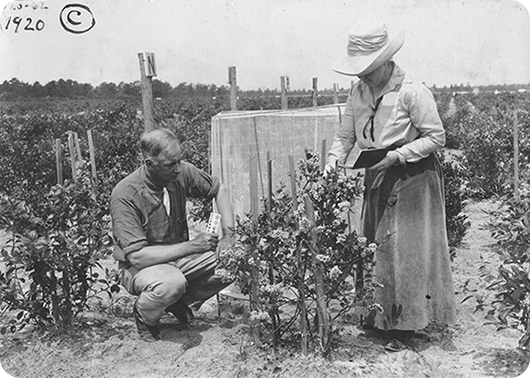
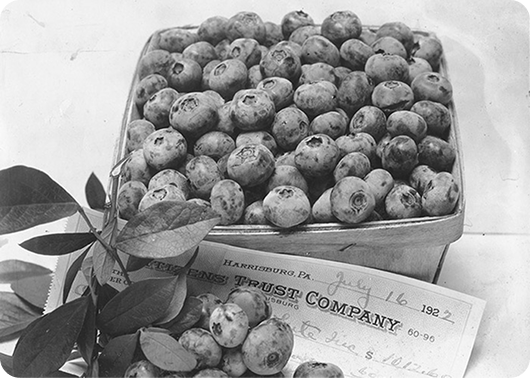
The Blueberry Story
Discover the legacy and growing journey of highbush blueberries.
-
USHBC Continuance Referendum
The USHBC continuance referendum will take place July 13-24, 2026.
-
Mission, Vision & Strategic Plan
- Events
-
Get Involved
Back
-
Volunteer Leadership
Join a committee. Get involved. Inspire our industry.
-
Women in Blueberries
Learn about the Women in Blueberries Elizabeth White Award. Nominate a woman today.
-
Leadership Program
Get information and apply for the Blueberry Industry Leadership Program.
-
Upcoming Meetings
Find our council and committee meetings. Join them to stay informed.
-
Volunteer Leadership
-
BerrySmart
Back
-
BerrySmart Insights
Turn industry insights into smarter business decisions with data from our real-time hub.
-
BerrySmart Food Safety
Search our resources for industry-standard food safety practices.
-
BerrySmart Field
Discover our collaborative smart farm network uniting growers, researchers and technology partners.
-
BerrySmart Sustainability
Explore how the blueberry industry is measuring and advancing sustainability through data-driven insights.
-
BerrySmart Insights
-
Resources
Back
-
For Marketers
Download our free promotional resources and campaign messages for your use.
-
2027 Assessment
Follow the assessment news and find helpful resources and historical documents.
-
School and Community
Find free materials to bring blueberries into classrooms and communities.
-
Forms and Documents
Find every USHBC form you need — all in one place.
-
For Marketers
-
Health Research and Tools
Back
-
Health Research and Tools
Get expert-backed resources, nutrition insights and shareable tools to support healthy choices.
-
Educational Tools
Download smart tools and tip sheets to share with clients.
-
Research Library
Dive into USHBC’s peer-reviewed library of blueberry research.
-
Research Funding Opportunities
Explore blueberry research funding opportunities and stay updated on what’s next.
-
Health Research and Tools
-
Global
Back
-
Exporter Resources
Get expert-backed resources, nutrition insights and shareable tools to support healthy choices.
-
Export Database
Download smart tools and tip sheets to share with clients.
-
Exporter Resources
-
News & Information
Back
-
Podcasts
Tune in each week for insightful conversations with voices from across the industry.
-
Newsroom
Read the latest industry announcements and press releases.
-
Behind the Blue
Read our monthly newsletter or subscribe to stay connected to all things blueberry.
-
Podcasts
×
USHBC
×
-
About USHBC
Back
-
Mission, Vision & Strategic Plan
Learn about what drives us and our vision for the future and meet the people guiding us there.
-
Our Impact
See how promotion efforts have impacted blueberry demand and growers’ revenue.
-
Financials
Review our financial health with a multitude of resources.
-
The Blueberry Story
Discover the legacy and growing journey of highbush blueberries.
-
USHBC Continuance Referendum
The USHBC continuance referendum will take place July 13-24, 2026.
-
Mission, Vision & Strategic Plan
- Events
-
Get Involved
Back
-
Volunteer Leadership
Join a committee. Get involved. Inspire our industry.
-
Women in Blueberries
Learn about the Women in Blueberries Elizabeth White Award. Nominate a woman today.
-
Leadership Program
Get information and apply for the Blueberry Industry Leadership Program.
-
Upcoming Meetings
Find our council and committee meetings. Join them to stay informed.
-
Volunteer Leadership
-
BerrySmart
Back
-
BerrySmart Insights
Turn industry insights into smarter business decisions with data from our real-time hub.
-
BerrySmart Food Safety
Search our resources for industry-standard food safety practices.
-
BerrySmart Field
Discover our collaborative smart farm network uniting growers, researchers and technology partners.
-
BerrySmart Sustainability
Explore how the blueberry industry is measuring and advancing sustainability through data-driven insights.
-
BerrySmart Insights
-
Resources
Back
-
For Marketers
Download our free promotional resources and campaign messages for your use.
-
2027 Assessment
Follow the assessment news and find helpful resources and historical documents.
-
School and Community
Find free materials to bring blueberries into classrooms and communities.
-
Forms and Documents
Find every USHBC form you need — all in one place.
-
For Marketers
-
Health Research and Tools
Back
-
Health Research and Tools
Get expert-backed resources, nutrition insights and shareable tools to support healthy choices.
-
Educational Tools
Download smart tools and tip sheets to share with clients.
-
Research Library
Dive into USHBC’s peer-reviewed library of blueberry research.
-
Research Funding Opportunities
Explore blueberry research funding opportunities and stay updated on what’s next.
-
Health Research and Tools
-
Global
Back
-
Exporter Resources
Get expert-backed resources, nutrition insights and shareable tools to support healthy choices.
-
Export Database
Download smart tools and tip sheets to share with clients.
-
Exporter Resources
-
News & Information
Back
-
Podcasts
Tune in each week for insightful conversations with voices from across the industry.
-
Newsroom
Read the latest industry announcements and press releases.
-
Behind the Blue
Read our monthly newsletter or subscribe to stay connected to all things blueberry.
-
Podcasts